Tackling Broken Chainsaw Chains: A Tractor Supply Guide
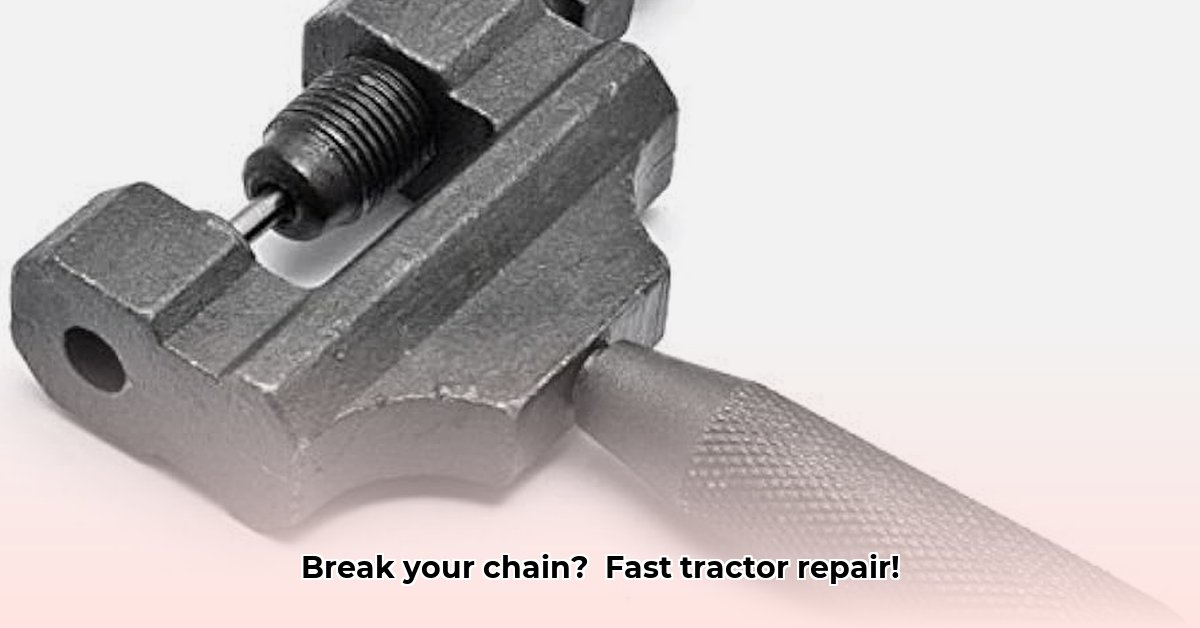
A snapped chainsaw chain can halt your workday faster than a runaway steer. But with the right tools and a little know-how, you can be back in action in minutes. This guide focuses on using a chainsaw chain breaker from Tractor Supply – a vital tool for any rural landowner. We'll cover choosing the right breaker, safe usage, and essential maintenance tips. For more on maintaining your equipment, see our guide on tractor tire repair.
Choosing Your Chain Breaker: Size Matters
Tractor Supply offers various chain breakers, each designed for different chainsaw sizes. Larger chainsaws require robust breakers capable of handling thicker chains. Consider how frequently you'll use the breaker and choose a high-quality model for reliable performance. This investment saves time and frustration in the long run.
Safety First: Chain Breaker Techniques
Always wear safety glasses when using a chain breaker. Flying metal shards are a real hazard. Take your time; rushing increases the risk significantly.
- Secure the Chainsaw: Firmly clamp your chainsaw in a vise or sturdy clamp. This prevents accidents and ensures a clean break. (Never skip this step).
- Insert the Breaker Pin: Carefully insert the chain breaker's pin into the link you wish to remove. Ensure a snug fit for a clean break.
- Squeeze and Snap: Apply steady pressure to the handles. The chain should break cleanly. If not, double-check the pin's position and try again, using caution and care.
- Remove and Dispose: Carefully remove the broken link and discard it responsibly. Sharp metal shards pose a significant risk.
- Reassembly (If needed): Once the broken link is removed, carefully reattach the chain, ensuring it sits correctly on the drive sprocket.
Keeping Your Fences Strong: Preventative Maintenance
Regular fence inspections prevent costly repairs and ensure the safety of your livestock. Loose wires, damaged posts, and other issues can easily lead to escaped animals or property damage. Prevention is far more efficient than costly repairs.
A Proactive Fence Maintenance Plan
Incorporate these simple steps into your routine to minimize fence problems:
- Regular Inspections (Twice Yearly): Walk your fence line, looking for sagging wires, damaged posts, and signs of wear. Address issues immediately.
- Tightening Wires: Use a tensioning tool to keep your wires taut. Sagging weakens the fence and creates vulnerabilities.
- Post Repair/Replacement: Damaged or leaning posts should be replaced immediately. A compromised post compromises the entire fence line.
- Invest in Quality Materials: Durable fence hardware from Tractor Supply or a similar retailer pays off in the long run. Cheap materials often break, leading to repeat repairs.
Fence Hardware: Matching the Job
Choosing the correct fence hardware is crucial. Consider these options:
| Hardware Type | Pros | Cons |
|---|---|---|
| Galvanized Steel | Durable, relatively inexpensive, readily available. | Prone to rust over time, especially in harsh climates. |
| Vinyl-Coated Steel | Rust-resistant, aesthetically pleasing. | Can crack or become brittle over time; not as strong as all-steel. |
| High-Tensile Wire | Exceptionally strong, lasts a long time. | More expensive, requires specialized tools for installation. |
Remember: Proactive farm maintenance saves money and keeps your operation running smoothly. Investing in the right tools, like a Tractor Supply chain breaker, is a key part of that strategy.
How to Prevent Costly Chain Link Fence Repairs in Rural Areas
Regular inspections are crucial – how often should you check your fences? (At least twice a year, ideally after harsh weather.) Ignoring minor issues can lead to a domino effect of damage. What's the most common problem leading to expensive chain link fence repairs? (Sagging, caused by loose tension wires).
Common Chain Link Fence Problems
Rural properties face unique challenges affecting fence longevity:
- Sagging: Loose wires are the main culprit, requiring re-tensioning.
- Rust: Address rust immediately to prevent further corrosion.
- Post Damage: Repair or replace damaged posts promptly.
- Vegetation: Overgrown plants can damage posts and wires.
Preventative Measures: A Long-Term Strategy
- Regular Inspections: Catch small problems before they become major issues.
- Proper Installation: Use concrete to ensure post stability.
- Maintain Wire Tension: Prevent sagging by regularly tightening wires.
- Quality Materials: Invest in durable materials for longevity.
- Vegetation Management: Keep vegetation away from the fence base.
Addressing minor problems promptly prevents larger repairs down the line. This results in considerable cost savings in the long term. "A stitch in time saves nine," as the old saying goes.